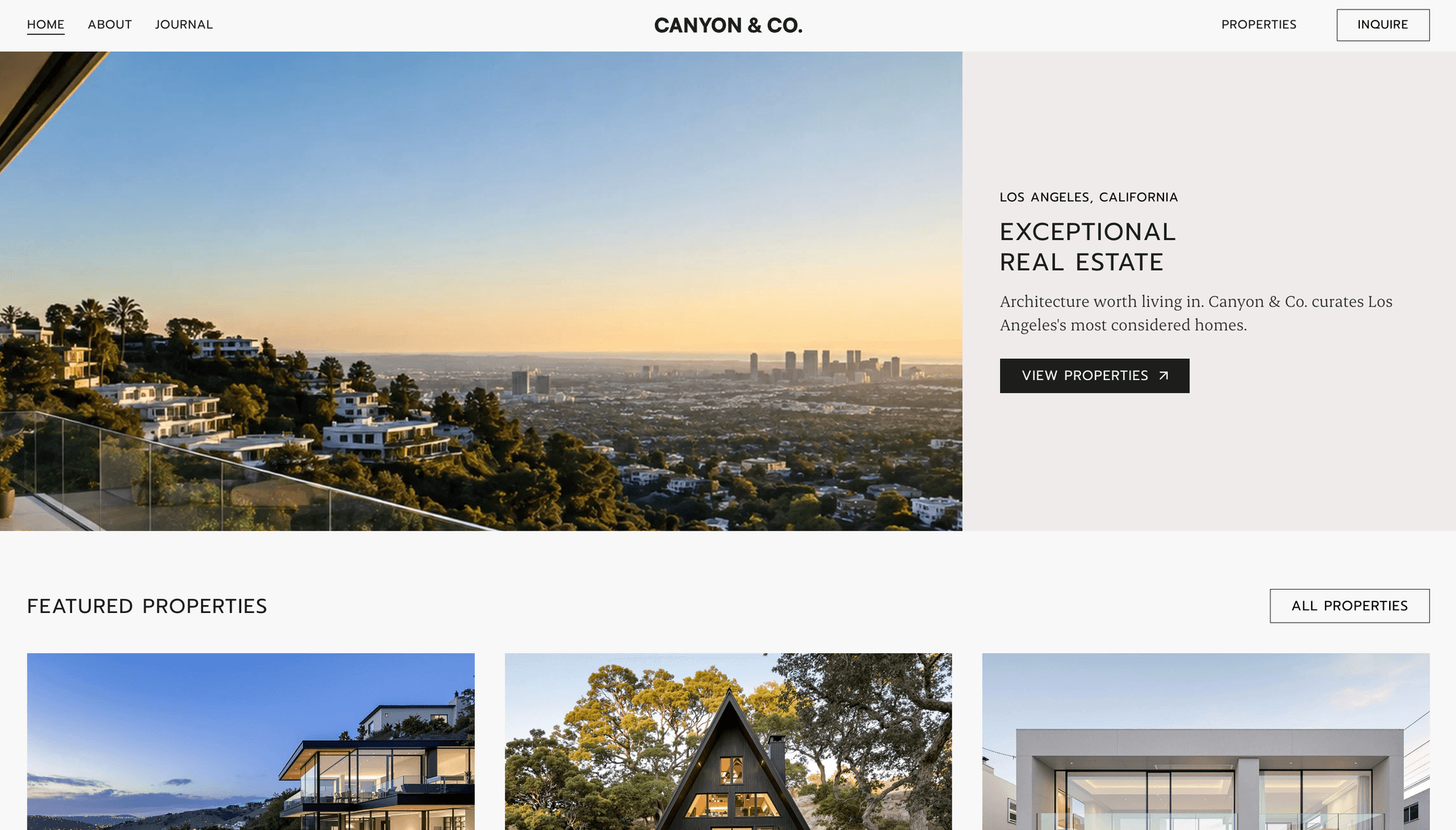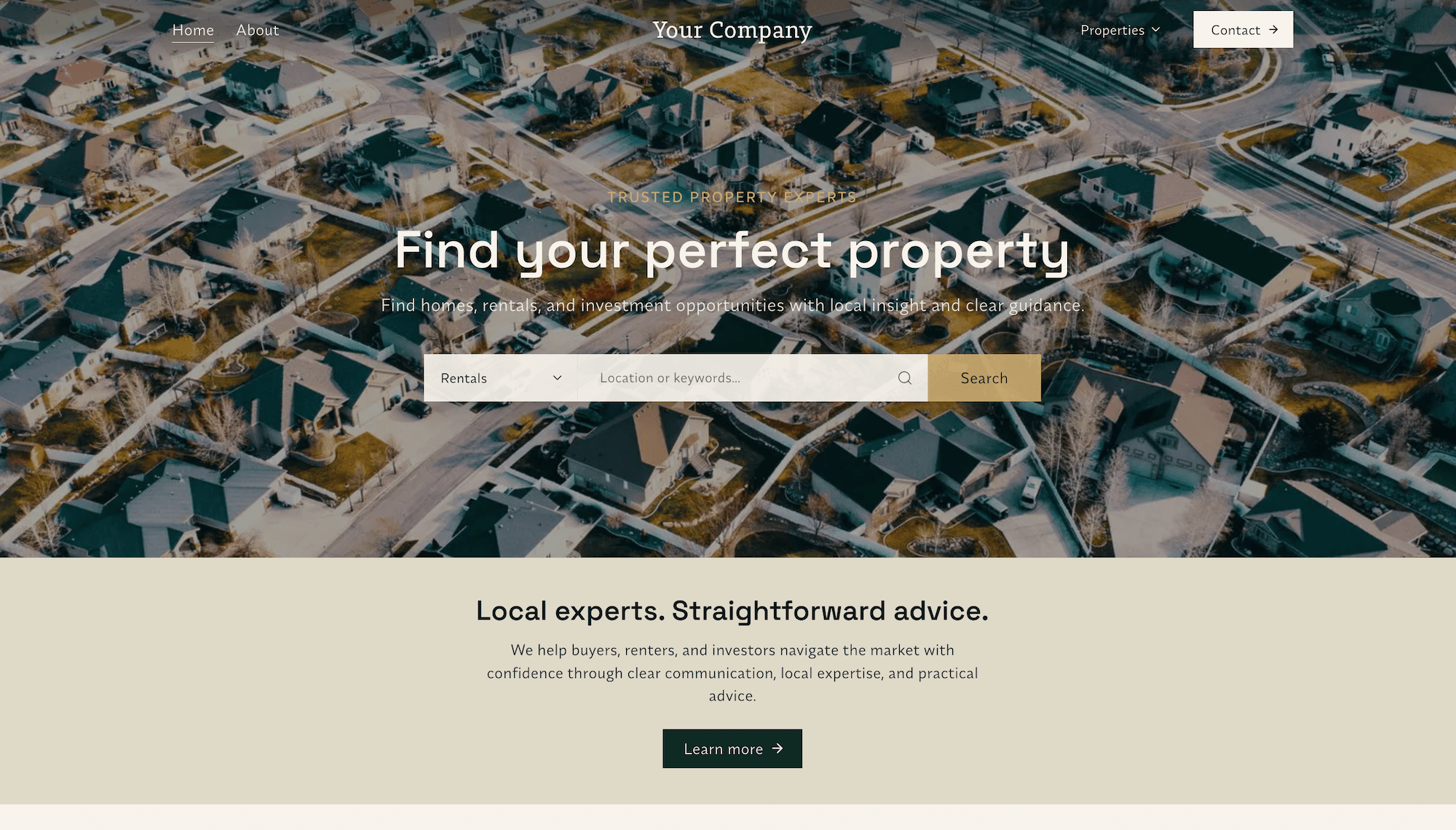
The Bali agents we speak to usually have strong listings and thin websites. Photos are good, locations are right, but the site is basically a catalogue. No guides, no market context, nothing that answers the questions a serious buyer is already typing into Google.
That gap matters because most villa buyers in Bali aren't moving in. They're international investors from Europe, Australia, and Asia buying for rental yield. Before they enquire about a specific property, they want to know what yield looks like, how leasehold works, and what happens after the sale. Who manages the villa? What occupancy should they expect? What does management actually cost?
If your site doesn't cover that, you're not in the conversation yet. The buyer reads a competitor's blog, joins a Facebook group, or emails an agent who published something useful. Your listing page alone won't win a buyer who's still figuring out whether Bali is the right market.
This post is about the management side of that research. Not because Midtide manages villas (we don't), but because the agents building sites on Midtide keep asking us what content actually converts serious buyers. Management is the topic that keeps coming up. Get it right on your site before the sale, and you're positioned as an advisor. Get it wrong after the sale, and your buyer blames you when the villa underperforms.
The management gap
Bali has thousands of villas. It also has a management problem.
Many owners, especially first-time international buyers, underestimate what's involved in running a short-term rental remotely. They assume they can list on Airbnb, hire a housekeeper, and watch the bookings roll in.
The reality is rather different. Bali's rental market has sharp seasonality. July and August command premium rates with near-full occupancy. November and February can see villas sitting empty for weeks. Without dynamic pricing, multi-platform distribution, and professional guest management, most self-managed villas underperform significantly.
When that happens, owners get frustrated, and the agent who sold them the property tends to shoulder the blame, fairly or not.

What professional villa management actually delivers
Cabo Bali is a data-driven villa management company in Bali, covering Uluwatu, Bingin, Canggu, and Seseh. They manage a focused portfolio and run the sort of operation that most owners assume exists in Bali but rarely find.
We first came across them through agents in our network who kept mentioning the same name when the conversation turned to management. When we looked at the numbers, it was clear why.
Their published portfolio metrics tell the story:
- Average occupancy. 91%
- Guest rating. 4.85 / 5
- Direct bookings. 28% (reducing OTA commission costs for owners)
- Management fee. 13% of gross revenue (industry standard: 15 to 20%)
- Net owner yield. 11 to 17% depending on villa type and location
- Platforms. Airbnb, Booking.com, VRBO, Agoda, Expedia, Trip.com, plus direct
For context, average occupancy for professionally managed villas across Bali's popular areas typically sits between 65 to 80%. That gap, between 91% and the average, comes down to pricing strategy, listing optimisation, and guest experience. All operational.
The tech stack behind those numbers: PriceLabs for dynamic pricing, Guesty for multi-channel distribution and guest communication, Breezeway for housekeeping scheduling and quality control. Owners see everything through a real-time financial dashboard (revenue, expenses, occupancy, average nightly rate) rather than waiting for monthly PDF summaries.
The founding team built and developed villas themselves before managing them for others. That changes the perspective entirely. They think like owners because they are owners.
The resale advantage
Here's a detail that most agents don't consider: professionally managed villas sell better.
One of Cabo's owners, Ellen, based in Hong Kong, recently sold a villa managed by Cabo for 20% more than she originally paid. She completed the entire transaction remotely. Her feedback: the documented performance data (occupancy, revenue, ratings) gave buyers confidence in the projected returns, which made the sale both faster and higher-value.
A villa with 91% occupancy and a 4.85 guest rating attached to its listing is a fundamentally different proposition to an identical villa with no performance history. For agents, this matters. When you can present a buyer with a complete investment case (property, location, projected yield, and a management partner with a track record), you're selling certainty, not speculation.

What to publish on your site
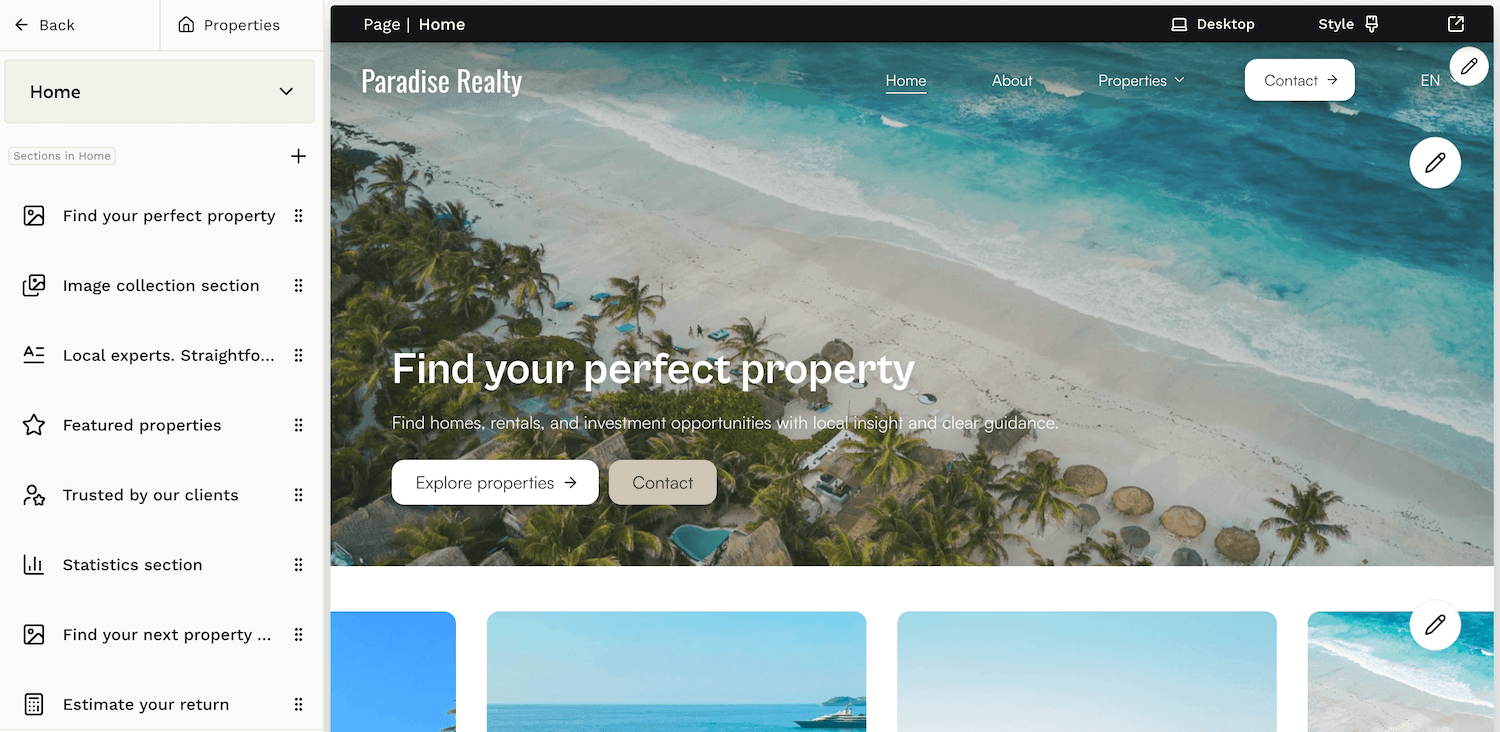
On Midtide, you can run a blog alongside your listings. For Bali investors, a handful of posts covers most of the pre-enquiry research:
- Yield and seasonality. What occupancy and nightly rates look like by area and month. Pair it with the ROI calculator on your listing pages so buyers can model returns on a specific villa.
- Leasehold vs freehold. The question every overseas buyer asks first. A clear guide beats a ten-message WhatsApp thread.
- Area comparisons. Uluwatu vs Canggu vs Bingin. Different buyer profiles, different rate cards.
- Management partners. Who you recommend, what fees look like, what performance data they publish. Name names. Buyers want specifics, not "we can help you find someone."
Each post targets a search query someone is already typing: "Bali villa yield", "villa management Bali cost", "leasehold Bali explained". You capture the enquiry earlier, and you show up looking like you know the market end to end.
The full chain
Bali's property market works best when everyone in the chain (developer, agent, management company, owner) is operating at a high standard. When agents market properties well, the right buyers find the right villas. When management companies like Cabo Bali run those villas professionally, owners see strong returns. When owners are happy, they reinvest and refer. The whole thing is remarkably interconnected, more so than most property markets we've seen.
We built Midtide because we saw agents across Southeast Asia doing brilliant work on the ground but losing deals to competitors with better websites. The management side of the equation was a blind spot for us until we started speaking to operators like Cabo. It turns out the agent's job doesn't really finish at the handshake. The best agents already know that.
For agents, knowing which operators deliver, and being able to connect buyers with them confidently, is a genuine competitive advantage.

The sale is the starting line, not the finish.
Frequently asked questions
How much does villa management cost in Bali?
Management fees in Bali typically range from 15 to 20% of gross rental revenue. Cabo Bali charges 13%, which is below the industry standard, with no hidden markups on staffing or maintenance.
What occupancy rate should I expect from a Bali villa?
It depends heavily on management quality. The Bali average for professionally managed villas sits between 65 to 80%. Cabo Bali's portfolio runs at 91%, driven by dynamic pricing, multi-platform distribution, and strong guest ratings.
What net yield do Bali investment villas return?
Cabo Bali-managed properties have returned between 11 to 17% net for owners, varying by villa type, location, and season. Properties in Uluwatu and Bingin tend toward the higher end due to premium nightly rates.
Should I ask my agent about management before buying?
Absolutely. The management plan directly affects your rental income, guest experience, and eventual resale value. Ask your agent which management companies they recommend and what performance data those companies can provide.